
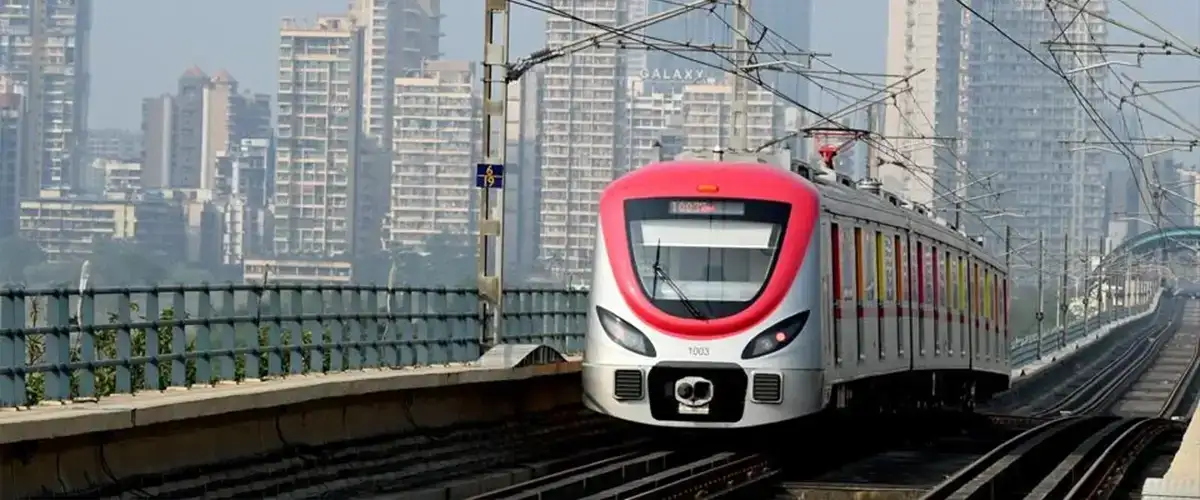
The urban landscape of the Mumbai Metropolitan Region (MMR) is witnessing a seismic shift with the progression of the Thane Internal Ring Metro. As we move through 2026, this ambitious 29-kilometer mass rapid transit system (MRTS) has transitioned from a visionary blueprint to a cornerstone of urban development. Designed as a continuous loop, this project is set to integrate the city’s disparate residential and commercial clusters, creating a unified economic powerhouse.
Understanding the Circular Transit Architecture
The defining feature of this project is its “Ring” or “Loop” configuration. Unlike linear corridors that connect two distant points, the Thane Internal Ring Metro encompasses the city’s core, ensuring that no major neighbourhood is left behind.
- Total Length: 29 Kilometers
- Station Count: 22 Strategically placed stations
- Structural Mix: A blend of 20 elevated stations and 2 underground stations near the existing railway hub.
- Operational Integration: Seamless interchanges with the upcoming Green Line 4 and Orange Line 5.
This circular flow is engineered to distribute traffic evenly, preventing the “bottleneck” effect often seen at terminal stations. For the modern commuter, this means reaching any part of the city within minutes, regardless of the peak-hour road congestion.
Strategic Station Network and Neighbourhood Growth
The 22 stations planned along the route serve as catalysts for localized growth. From the industrial heart of Wagle Estate to the burgeoning residential skylines of Ghodbunder Road, the metro touches every vital nerve center. Key stations such as Raila Devi, Manpada, Kolshet, and Balkum are already seeing a transformation in their physical and social infrastructure.
By bringing high-speed transit to the doorsteps of thousands, the project is decentralizing Thane’s growth. New business districts are emerging around these transit nodes, attracting Grade-A office spaces and premium retail outlets. This shift is not just about moving people; it is about creating sustainable, “walk-to-work” ecosystems that enhance the overall quality of urban life.
The Economic Ripple Effect on Real Estate
Historically, transit-oriented development (TOD) has been the biggest driver of capital appreciation in global cities. In Thane, the impact is already visible. Properties located within a 500-meter to 1-kilometer radius of the proposed metro stations are commanding a significant premium.
- Surging Rental Yields: With professional commuters seeking homes with “zero-mile” connectivity, rental demand in metro-aligned pockets is projected to outpace the city average.
- Capital Appreciation: Experts predict a value surge of 20-30% as the project nears its operational deadline in 2029.
- Commercial Vitality: For businesses, the ring metro offers an expanded talent pool, as employees from across the MMR can now access Thane’s commercial hubs with ease.
A Sustainable Leap for Mumbai 3.0
The Thane Internal Ring Metro is more than a transport project; it is an environmental initiative. By offering a reliable alternative to private vehicles, the loop is expected to significantly reduce carbon emissions and noise pollution. The integration of high-tech signalling and energy-efficient rakes aligns with the vision of a “Smart City,” making Thane a model for sustainable urbanism in India.
As the viaducts rise and the underground tunnels take shape, the city is preparing for a new era. Whether you are a first-time homebuyer, a seasoned investor, or a business leader, understanding the trajectory of this ring metro is essential to navigating the future of the MMR.
Contact our experts at +91 9860949793 or visit www.seasonsinfra.in/projects/seasons-metro to discover premium properties strategically located near the upcoming metro stations. Invest in Thane’s future today!